
 Save
Save
This ideal pizza crust features a chewy center and a lightly crunchy outside. My family looks forward to homemade pizza night nearly every Friday, and this dough has never disappointed us. It’s easy to handle and bakes into the kind of crust you dream of from your go-to pizzeria.
I first whipped this up for a birthday bash, and folks couldn’t stop talking about it. Now, we always make extra dough to freeze for those busy weeknight pizzas.
Ingredients
- Warm water: This activates the yeast and gets the dough just right. Use filtered water for the best flavor.
- Instant yeast: This is the key to a consistent rise and great chew. Look for fresh yeast without clumps or grayish tint.
- Granulated sugar: This feeds the yeast and helps with browning as it bakes. Organic cane sugar works great, too.
- Salt: This brings out all the flavors. Fine salt mixes in evenly, so be sure to use that.
- Olive oil: This adds richness and nuttiness. Extra virgin is best for aroma and smoothness.
- Cornmeal: This gives a little crunch. Go for medium grind and check it’s fresh first.
- Bread flour: Its high protein helps create that chewy crust. Unbleached bread flour will give the best flavor.
- Baking powder: This provides some extra lift and tenderness. Make sure it’s not expired.
- Garlic powder: This adds a layer of savoriness. Avoid clumps for a smooth mix.
- Onion powder: This contributes mild sweetness and depth. Check it's fresh and fragrant.
Instructions
- Activate Yeast:
- In a medium bowl, pour warm water. Add the instant yeast and let it sit for a minimum of five minutes without stirring. When it gets foamy, the yeast is alive and ready.
- Mix Dough:
- Add sugar, salt, olive oil, cornmeal, bread flour, baking powder, garlic powder, and onion powder. Attach the paddle to your mixer, then mix until the dough just comes together. It should look shaggy and barely combined.
- Rest Dough:
- Let the rough dough sit uncovered for about ten minutes. This relaxes the gluten, making kneading easier.
- Knead Dough:
- Switch to the dough hook. Set your mixer to low speed and knead for a full ten minutes. The dough should pull away from the sides of the bowl and feel elastic, but not sticky.
- First Rise:
- Cover the bowl tightly with plastic wrap. Leave the dough in a warm area for thirty to forty-five minutes, until it nearly doubles in size. Removing the plastic wrap should show bubbles on the surface.
- Shape Pizza:
- Lightly dust your counter with flour. Gently press and stretch the dough into your preferred pizza shape. Whether round for a pizza stone or rectangular for a baking pan, be careful not to deflate the dough.
- Top and Bake:
- Place the dough on a prepped pizza stone or baking pan. Add your sauce, cheese, and desired toppings. Bake in a preheated oven at five hundred degrees for about fourteen minutes or until the edges are golden and crispy.
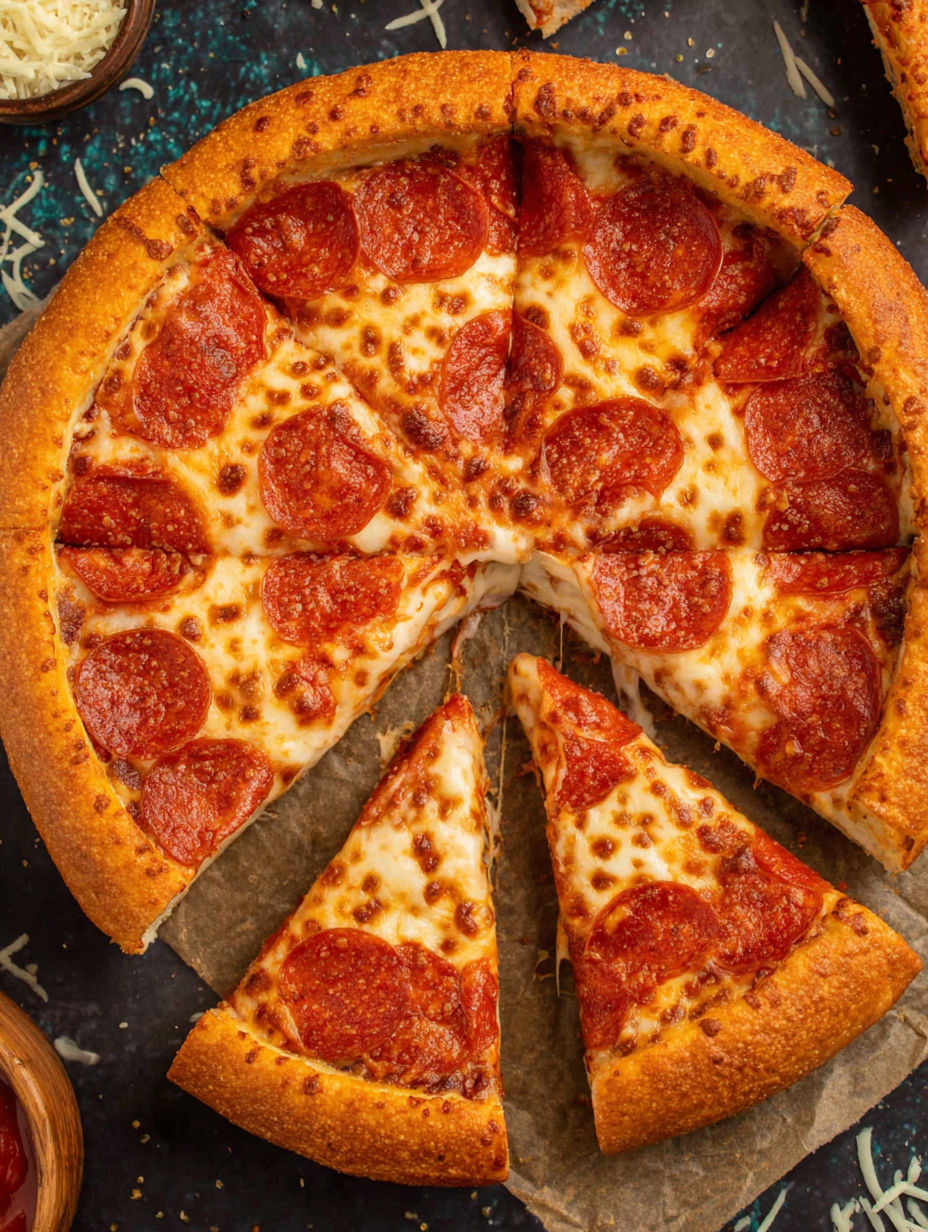
I love to add a sprinkle of parmesan before baking. The smell that fills my kitchen takes me back to childhood Friday nights when my whole family gathered for homemade pizza.
Storage Tips
Let any leftover pizza cool down completely before wrapping it in foil or storing it in an airtight container in the fridge. Slices stay fresh for up to four days. Reheat in a hot oven to bring back that crunch.
Ingredient Substitutions
If you’ve only got all-purpose flour, you can use it, but expect a slightly softer crust. For a savory kick, try adding dried Italian herbs or a pinch of black pepper to the dough. You can substitute active dry yeast for instant, just proof it in warm water until it bubbles before adding.
Serving Suggestions
Serve up the hot pizza with a fresh green salad drizzled with lemon vinaigrette, or offer warm marinara for dipping. The crust works great for calzones or strombolis, too. Leftover slices make a quick and easy lunch treat.
Cultural and Historical Context
Pizza originated in the heart of Naples, Italy, but local pizzerias and home cooks around the world have put their unique spin on this classic crust. A fantastic dough like this combines traditional techniques with modern dependability.
Seasonal Adaptations
In the winter, try adding rosemary and roasted garlic for a warm twist. In summer, top with grilled veggies and finish with fresh basil. Use pumpkin puree in the fall for a golden-colored dough.
Success Stories
A friend doubled this for a neighborhood block party, and it disappeared in no time. My cousin makes personal pizzas for kids’ sleepovers and lets everyone pick their toppings. It's that flexible and fun!
Freezer Meal Conversion
Make the dough and let it rise, then portion into balls and wrap tightly before freezing. Thaw overnight in the fridge before shaping for a last-minute pizza night.
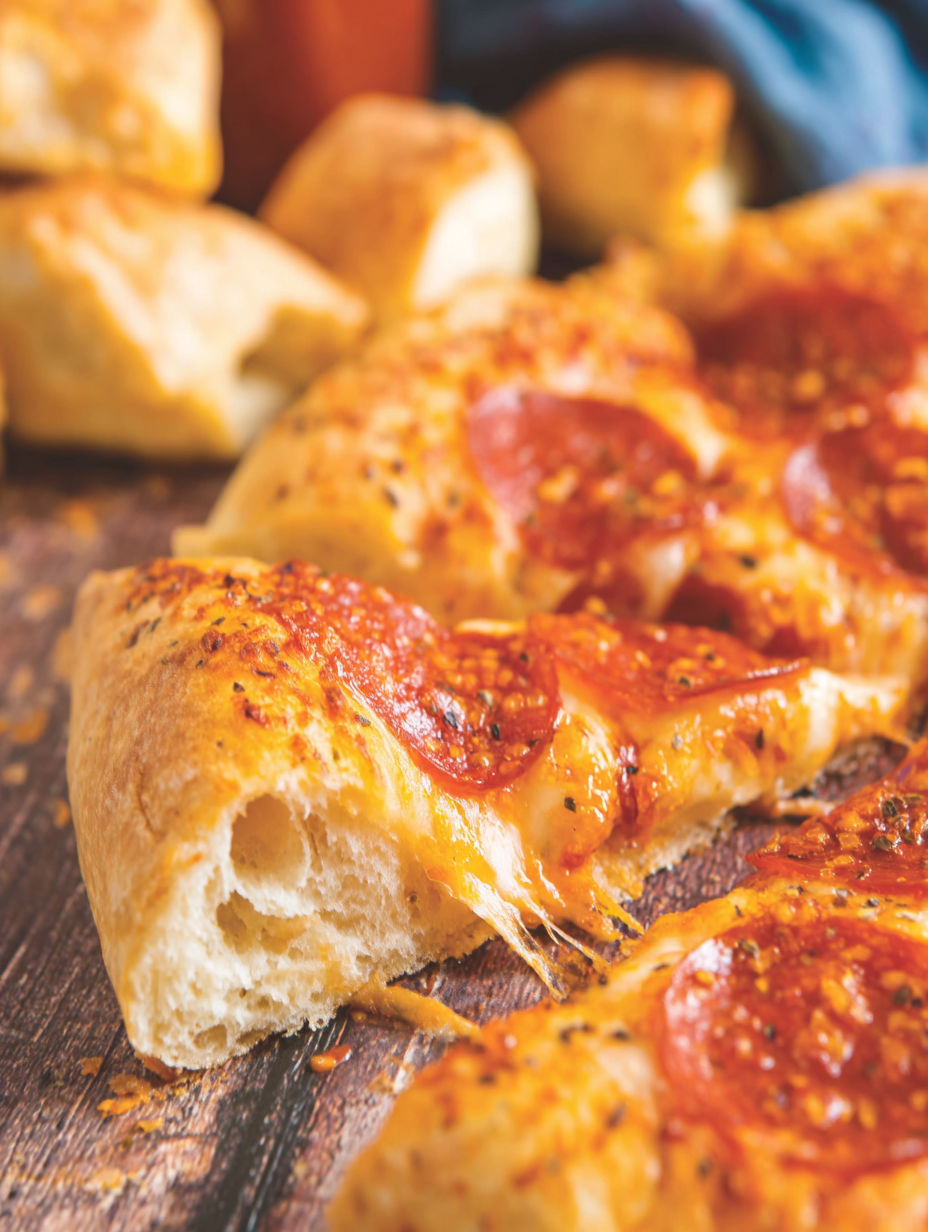
Enjoy your perfect pizza crust and relish every bite. Whether it’s for parties or just a cozy night at home, this always delivers results that please.
Common Recipe Questions
- → What gives the crust its chewiness?
Using bread flour and kneading the dough properly help build gluten, which creates that nice chewy texture.
- → How can I achieve a crisp outer layer?
High baking temperatures along with a little olive oil and cornmeal will give you that crispy, golden crust.
- → Can I make the dough in advance?
Absolutely! You can prepare the dough earlier and refrigerate it after its first rise. Just let it warm up to room temperature before using it.
- → Do I need instant yeast, or is active dry yeast okay?
It's best to use instant yeast, but you can also go with active dry yeast. Just proof it in warm water until it's bubbly before you mix it in.
- → What toppings go well with this crust?
This dough pairs nicely with traditional tomato sauce and cheese, or you can get creative with roasted veggies or cured meats.
- → Can I make the dough using a bread machine?
Of course! Just toss the ingredients into a bread machine and use the dough setting for easy prepping.