
 Save
Save
This velvety Norwegian rømmegrøt is my go-to comfort dish for those chilly days. There’s nothing like a warm bowl of this to lift your spirits. With a rich, creamy flavor from sweet milk and a hint of cinnamon, it’s a tradition that gathers everyone for breakfast or a late-night snack. A drizzle of melted butter and a sprinkle of cinnamon sugar on top brings back all those warm memories with every bite.
I picked up this dish in North Dakota from someone's grandmother, and it's become a holiday essential in my home. The aroma alone is enough to bring smiles to everyone.
Ingredients
- Whole milk: go for full-fat milk to get that classic richness, preferably from a trusted local dairy
- All-purpose flour: this thickens the porridge and provides that signature smooth texture; fresh, soft flour with no funny smells works best
- Granulated sugar: adds just the right amount of sweetness; I use fine white sugar for it to dissolve easily
- Morton kosher salt: balances out the sugar and enhances the creamy taste; pick pure salt without additives
- Salted butter: used in the pudding and drizzled on top, it adds richness; high-quality European-style butter is a great choice
- Cinnamon sugar: the finishing touch on each serving; mix your own with fresh ground cinnamon and fine sugar for the best kick
Instructions
- Heat the Milk:
- Grab a large heavy-bottomed pot and place it over medium heat. Pour in the whole milk. Keep stirring almost constantly with a heatproof spatula, scraping the bottom as you go. You want the milk to reach 195 degrees Fahrenheit using a kitchen thermometer, making sure it doesn’t scorch.
- Prepare the Flour Mix:
- While the milk heats, mix the flour, sugar, and salt in a small bowl until it's all blended. This step is key to avoiding lumps in your porridge.
- Melt the Butter:
- At the same time, gently melt the salted butter in another small saucepan over medium heat. Take it off the heat once it’s fully melted, but don’t let it brown. Set the melted butter aside until your milk is ready.
- Make the Flour Paste:
- Once the milk reaches 195 degrees, stir the flour mixture into the melted butter until you have a thick, smooth paste. Take your time to ensure there are no dry spots.
- Mix Paste with Milk:
- Carefully add the paste into the hot milk while continuously stirring. Keep going as it starts to gently boil. The flour will thicken the milk pretty quickly.
- Simmer and Thicken:
- Lower the heat and let it simmer gently for around five minutes, stirring often. You’re aiming for a very thick and smooth consistency like velvety pudding, free of lumps.
- Serve and Enjoy:
- Take it off the heat and ladle the hot rømmegrøt into bowls. Drizzle each serving with warm melted butter and a good amount of cinnamon sugar. Enjoy it right away while it’s hot for the best flavor and texture.

I adore how the butter creates little golden pools on the surface. As a kid, I'd always spoon those onto my porridge first. This dish really takes me back to snowy weekends at my grandmother's house where we’d have cinnamon and milk simmering all morning.
Storage Tips
Cool any leftover porridge to room temperature before tightly covering and storing it in the fridge. It’ll stay good for up to three days. When you’re ready to enjoy it again, add a splash of milk to get it back to the right consistency and gently stir on low heat until it’s smooth again.
Ingredient Swaps
If you need it gluten-free, swap in a cup-for-cup gluten-free all-purpose blend. No salted butter? Just add a tiny pinch of salt to regular unsalted butter. Dairy-free alternatives will work too, but it won’t taste quite as rich or traditional.
Serving Ideas
Serve it steaming hot straight from the pan with extra cinnamon sugar and melted butter on the side. Rømmegrøt is also tasty with fresh berries, stewed fruit, or even a dollop of tangy lingonberry or raspberry preserves to cut the sweetness.
Cultural Background
Rømmegrøt has been around for centuries in Norway, often enjoyed on special occasions and family get-togethers. It used to be a treat made with rich cream, usually prepared during holidays or to welcome visitors. Nowadays, it’s both a cozy comfort and a common sight at Scandinavian festivals across the Midwest.
Seasonal Variations
Pair it with fresh strawberries or peaches in the spring for a refreshing breakfast. In winter, try using nutmeg instead of cinnamon for a warmer flavor. Make a big batch ahead of time and gently reheat it for quick and cozy snacks during the autumn chill.
Success Stories
I’ve got friends who didn’t grow up with this classic porridge asking me for it all winter long. It’s one of those dishes that brings back memories and helps create new ones at the breakfast table. Many folks say it reminds them of custard or rice pudding, but with even more charm from the past.
Freezer Meal Tips
Let the finished rømmegrøt cool completely, then ladle it into containers that can go in the freezer. When you’re ready to eat, thaw it overnight in the fridge and reheat gently, adding a splash of milk to restore its creamy texture. Stir well as it heats to keep it smooth and luscious.
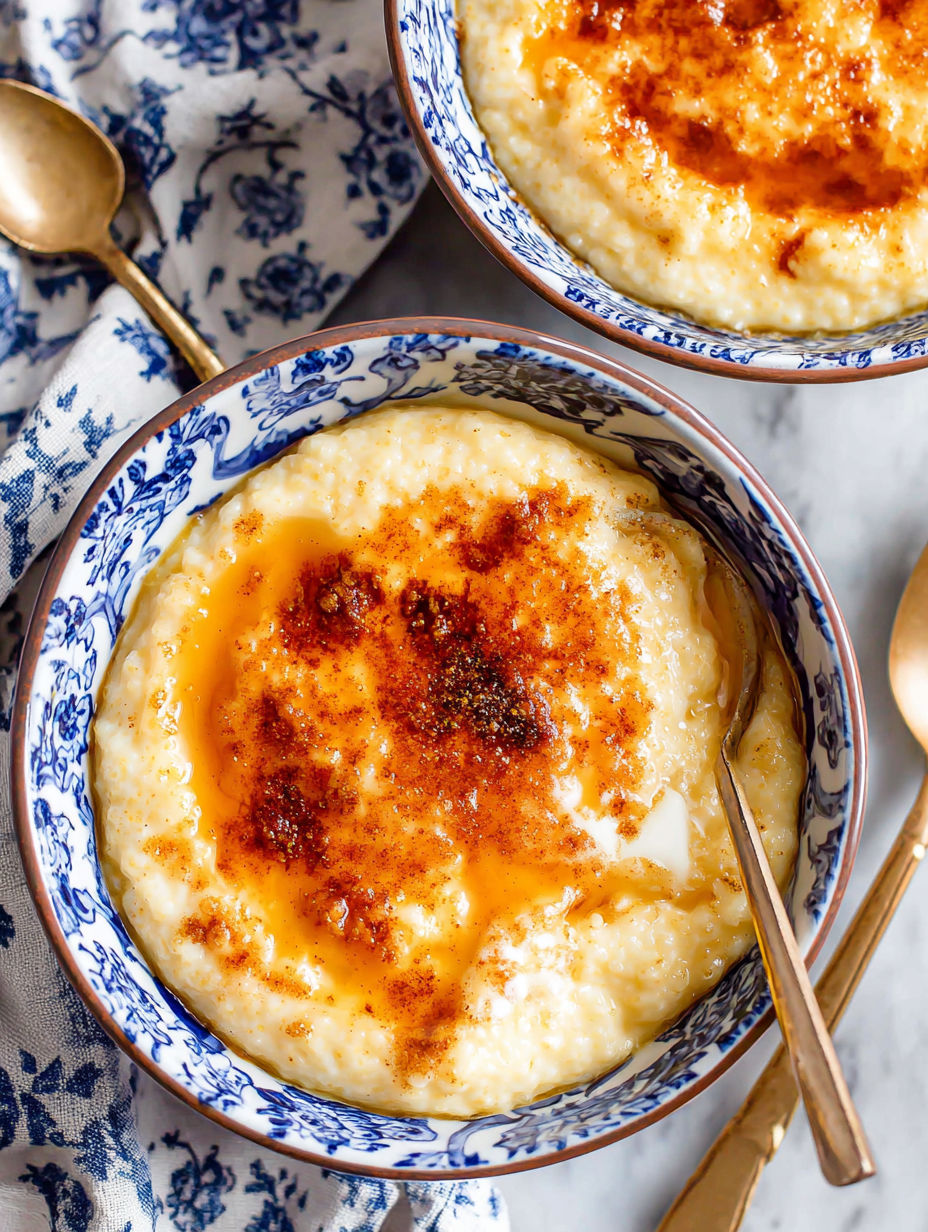
This warm and nostalgic porridge feels like a big hug in a bowl. I hope you find it as comforting and heartwarming as my family does, year after year.
Common Recipe Questions
- → What is the best type of milk to use?
Whole milk gives this dish its classic creamy texture, but rich milk alternatives can also work.
- → How do I prevent the porridge from burning?
Stir the milk nearly constantly over medium heat and choose a heavy pan to keep it from scorching.
- → What toppings are most common?
The traditional way to finish it is with melted butter and a good sprinkle of cinnamon-sugar.
- → Can it be served cold?
It's usually served warm, but you can chill it if you’d rather have a pudding-like dessert.
- → Is flour necessary for the texture?
Definitely, flour thickens the milk, resulting in that signature velvety consistency.
- → Are there any traditional accompaniments?
It’s often paired with cured meats as a side or enjoyed as a sweet treat during holidays.